
In Cardiff-by-the-Sea (governed by the City of Encinitas), immediate emergency water extraction, structural drying, and non-structural mitigation typically proceed without waiting for a building permit. Once the home is verified dry, permanent repairs involving structural framing, plumbing reroutes, electrical replacements, or major wall reconstruction may require an Alteration & Repair permit through the City of Encinitas Building Division.
Disclaimer: Local municipal building codes and permit exemptions change periodically. Always confirm exact permit requirements for your specific scope of work directly with the City of Encinitas Development Services / Building Division or your licensed California reconstruction contractor.
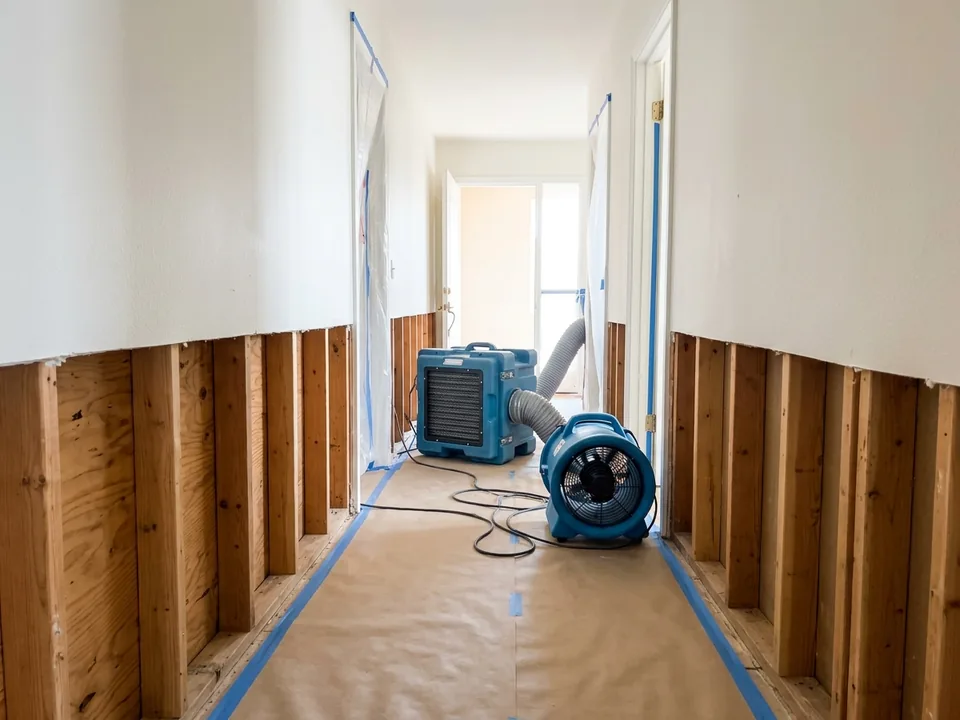
Many homeowners in Cardiff-by-the-Sea feel caught off guard when they realize that recovering from a major water loss actually involves two separate phases: emergency water mitigation (stopping the spread, removing unsalvageable wet materials, and drying the framing) and permanent reconstruction (hanging new drywall, repairing plumbing or electrical lines, and reinstalling flooring and trim).
Because Cardiff-by-the-Sea (ZIP 92007) is one of the five communities within the incorporated City of Encinitas—alongside Old Encinitas, Leucadia, New Encinitas, and Olivenhain—any permitted post-water-damage rebuild falls under the City of Encinitas Building Division at 505 S. Vulcan Ave. Understanding where emergency mitigation ends and permitted repair begins prevents expensive project delays and protects your home's resale paperwork.
Phase 1 vs. Phase 2: Mitigation vs. Permitted Reconstruction
You never have to wait for City Hall to open before stopping active water damage inside your home. When a pipe bursts at midnight in the Walking District or hillside runoff floods a lower bedroom in Cardiff Cove & Park Place, immediate mitigation protects public health and prevents structural rot.
| Project Activity | Phase | Typical Encinitas Permit Expectation |
|---|---|---|
| Standing water extraction & pump-out | Emergency Mitigation | No building permit required |
| LGR dehumidification & air-mover drying | Emergency Mitigation | No building permit required |
| Baseboard detachment & wet carpet pad removal | Emergency Mitigation | No building permit required |
| Non-structural drywall flood cuts & wet insulation removal | Emergency Mitigation | Generally exempt as emergency mitigation; confirm before closing walls |
| Whole-house PEX repipe or under-slab copper reroute | Plumbing Repair | Plumbing permit typically required by City of Encinitas |
| Replacing wet electrical outlets, Romex wiring, or panels | Electrical Repair | Electrical permit & inspection typically required |
| Replacing rotted structural studs, headers, or subfloor joists | Structural Rebuild | Alteration & Repair building permit & framing inspection required |
| Exterior stucco repair, window flashing, or roof replacement | Envelope Rebuild | Check City of Encinitas Building Division & Coastal Zone rules |
Why Independent Restoration Pros Perform 24-Inch or 48-Inch Drywall Flood Cuts
Homeowners often flinch the first time a technician snaps a chalk line two feet up a hallway wall after a stormwater flood or slab leak. If water only stood two inches deep on the tile, why cut away two full feet of drywall?
There are four practical construction and moisture-science reasons behind clean flood cuts:
- Capillary Wicking Inside Gypsum: Drywall paper and gypsum core act like a giant wick. Two inches of standing water on a slab routinely wicks 12 to 18 inches vertically up the back side of the drywall—completely hidden behind glossy interior paint.
- Trapped Wet Insulation: In exterior stucco walls across the Composer District and San Elijo Lagoon corridor, fiberglass batts hold gallons of water against the wooden sill plate. Leaving wet insulation inside a closed wall leads to persistent musty odors and framing decay.
- Category 2 & Category 3 Sanitation Access: When contaminated storm runoff or appliance gray water enters a wall cavity, technicians must physically wash and apply EPA-registered antimicrobials to the exposed wooden studs and bottom plates—impossible without opening the lower cavity.
- Cleaner, Cheaper Drywall Reconstruction: Standard drywall panels measure 4 feet by 8 feet (48 inches high). Cutting straight, level lines at 24 inches (half a sheet) or 48 inches (one full sheet) allows the drywall finisher to drop in crisp rectangular replacement panels with minimal tape joints and smoother texture blending.
California Pre-1980 Asbestos & Lead-Safe Rules for Older Cardiff Homes
A significant number of beach cottages in the Walking District, mid-century ranch homes in the Composer District, and bungalows in Old Encinitas were constructed between the 1940s and 1979. Under California air-quality and workplace safety rules (Cal/OSHA and San Diego County APCD guidelines), building materials manufactured before 1980—including popcorn acoustic ceilings, drywall joint compound, stucco layers, and older 9x9 vinyl floor tiles—can contain asbestos fibers or lead-based paint.
Before performing non-emergency drywall cuts or scraping wet ceilings in a pre-1980 home, reputable independent restoration contractors advise taking small, discreet bulk samples for rapid 24-hour laboratory analysis. Knowing the lab result upfront protects your family's indoor air quality and keeps both mitigation and reconstruction compliant with California environmental standards.
Coastal Zone, Title 24 Insulation & HOA Considerations
When you move into Phase 2 reconstruction in Cardiff-by-the-Sea, keep three local nuances on your radar:
- California Title 24 Energy Compliance: If an exterior wall cavity is opened completely during mitigation, replacing wet fiberglass insulation with current R-value compliant insulation (and verifying vapor-barrier details) ensures your rebuild passes any required City of Encinitas insulation inspection before drywall closes back up.
- HOA Architectural & Shared-Wall Rules: Townhome owners in Cardiff Cove & Park Place and condo owners in nearby Solana Beach should notify their HOA manager promptly whenever water crosses a party wall, ceiling plenum, or common-area plumbing chase.
- Verified Contractor Licensing (CSLB): In California, contractors performing construction or reconstruction work valued at $500 or more (including labor and materials) are required to hold an active Contractors State License Board (CSLB) license. Always verify license status directly at the state registry before signing a reconstruction contract.
Pre-Rebuild Checklist: 5 Things to Verify Before Closing Up Open Walls
Never let a drywall crew close up an open flood cut until every item on this checklist is complete:
- Final Dry-Standard Sign-Off: Your independent mitigation technician confirms wood studs and sill plates match unaffected control moisture readings (typically 10%–13% wood moisture content).
- Plumbing / Roof Leak Permanently Repaired: The underlying pipe, flashing, or slab leak has been pressure-tested and cleared by a licensed plumber or roofer.
- Antimicrobial Cleaning Completed: Any Category 2 or Category 3 framing has been thoroughly cleaned, sanitized, and visually clear of residue.
- Photos Taken Inside Open Cavities: Snap clear photos of dry framing, new PEX lines, and insulation before new drywall goes up—invaluable for insurance adjusters and future home buyers.
- Required Encinitas Inspections Passed: If plumbing, electrical, or framing permits were pulled through the City of Encinitas Customer Self Service portal, ensure rough-in inspections are signed off prior to hanging sheetrock.
Need Fast Drywall Mitigation & Cavity Drying in Cardiff-by-the-Sea?
Starting clean, controlled mitigation early minimizes how much drywall ever has to come down. Preview potential mitigation variables with our Cardiff water damage cost calculator, or call our free local referral line at (760) 555-0194 to connect with an independent Cardiff-by-the-Sea restoration contractor today.
Frequently Asked Questions
Emergency water extraction, dehumidification, and limited non-structural drywall removal to stop active moisture damage generally do not require a building permit upfront. However, post-drying reconstruction involving structural framing, plumbing repipes, electrical wiring, or extensive drywall replacement may require an Alteration & Repair permit from the City of Encinitas Building Division.
Cardiff-by-the-Sea (ZIP 92007) is part of the incorporated City of Encinitas. The Building Division is located at Encinitas City Hall, 505 S. Vulcan Ave., Encinitas, CA 92024, and accepts permit applications through its online Customer Self Service portal.
Gypsum drywall absorbs water vertically via capillary action higher than surface paint stains show. Cutting cleanly at 24 inches or 48 inches removes wet insulation, opens framing to LGR airflow, and aligns neatly with standard 4-foot drywall sheets during rebuild.
Under California regulations, homes built prior to 1980 may contain asbestos in popcorn ceiling textures, joint compounds, or vinyl floor tiles. Independent contractors commonly recommend quick lab sampling before disturbing suspect materials.