
The IICRC S500 Standard classifies residential water damage into three contamination levels: Category 1 (clean sanitary supply water), Category 2 (gray water with chemical or biological contaminants from appliances or overflows), and Category 3 (grossly contaminated black water including exterior storm runoff or sewage). Higher categories require stricter containment, sanitation, and removal of porous materials.
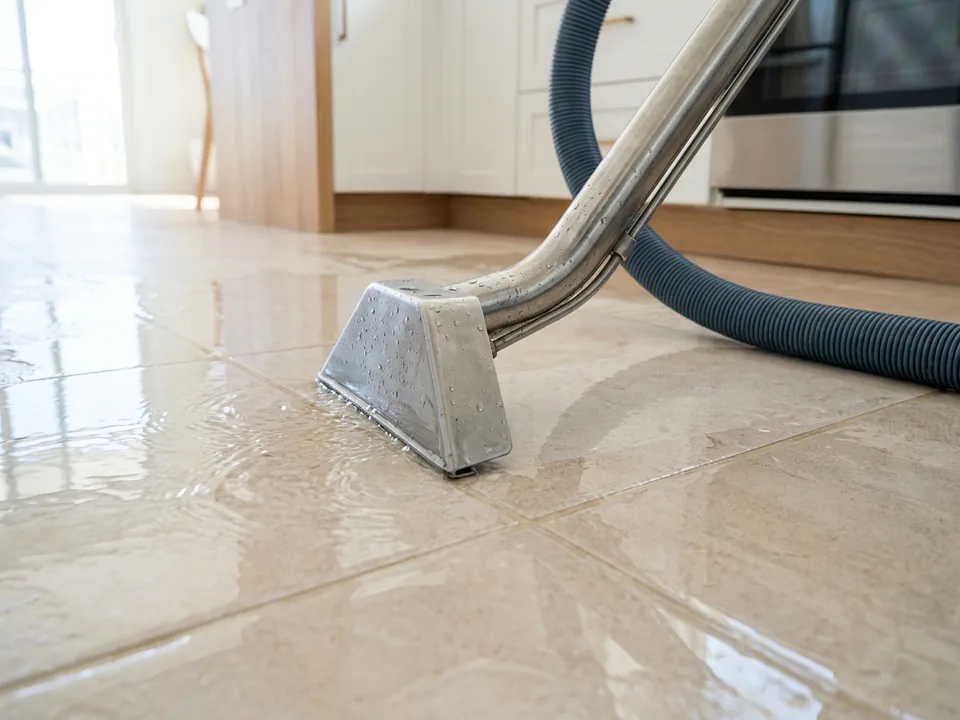
When an independent restoration technician inspects a flooded kitchen or garage in Cardiff-by-the-Sea, one of the very first questions they answer is not just how much water entered the home, but what kind of water it is. Two leaks that cover the exact same 250 square feet of floor in the Walking District or Composer District can require completely different cleanup protocols depending on where the water originated and how long it has been sitting.
Professional restoration contractors across California follow the ANSI/IICRC S500 Standard for Professional Water Damage Restoration. Knowing the difference between Categories 1, 2, and 3—plus Water Classes 1 through 4—empowers you to understand why a technician recommends drying carpet in place after one leak while insisting on a 24-inch drywall flood cut after another.
Category 1 Water (Clean Water): Sanitary Sources & Time Limits
Category 1 water originates from a sanitary domestic supply source and poses no substantial health hazard upon initial contact. Common residential examples in Cardiff-by-the-Sea include a ruptured copper or PEX supply pipe, a failed braided toilet supply line, a broken refrigerator ice-maker tube, or a leaking water heater tank.
When homeowners catch Category 1 water quickly and arrange emergency water extraction within the first few hours, restoration crews can often save solid hardwood floors, clean synthetic carpet, and intact baseboards through aggressive structural drying and LGR dehumidification. Even after a burst pipe or slab leak, minimizing demolition is frequently possible when clean water is extracted before it degrades.
However, Category 1 status has a strict expiration clock. Clean water picks up soil, organic dust, carpet residues, and framing debris as it travels across floors and through wall cavities. In Cardiff's mild, humid coastal environment—especially near San Elijo Lagoon—standing clean water left untreated for 24 to 48 hours supports rapid microbial proliferation and degrades into Category 2 or Category 3 water.
Category 2 Water (Gray Water): Significant Contamination Potential
Category 2 water contains significant biological, chemical, or physical contamination that can cause discomfort or illness if ingested or contacted. Typical household sources include washing machine drain-hose overflows, dishwasher discharge leaks, sump pump failures, aquarium ruptures, and toilet bowl overflows containing urine (without solid waste).
Because gray water carries soaps, food particles, and elevated bacterial loads, technicians handle porous materials much more cautiously than in Category 1 events:
- Carpet Pad & Porous Insulation: Saturated carpet pad and wet fiberglass wall insulation are typically removed and discarded rather than dried in place.
- Hard Surfaces & Framing: Tile, concrete slabs, and exposed wood studs are extracted thoroughly, cleaned, and treated with an EPA-registered antimicrobial solution before drying equipment is placed.
- Time Sensitivity: Just like Category 1, untreated Category 2 water left stagnant in a closed room for more than 48 hours escalates into Category 3 conditions.
Category 3 Water (Black Water): Grossly Contaminated & Hazardous
Category 3 water is grossly unsanitary and can contain pathogenic bacteria, viruses, fungi, heavy silt, or toxic chemicals. In coastal North County homes—from lower streets in Cardiff Cove & Park Place to bluff properties in Old Encinitas and Solana Beach—the two most common Category 3 triggers are sewage drain backups and exterior storm runoff pushing under doors during heavy winter Pacific rains.
Under IICRC S500 guidelines, Category 3 losses require strict health-and-safety protocols during flood water cleanup:
- Personal Protective Equipment (PPE) & Containment: Crews wear protective suits, respirators, and gloves, and erect 6-mil poly containment barriers with negative-air HEPA air scrubbers to prevent airborne cross-contamination into dry living spaces.
- Mandatory Removal of Porous Materials: Carpet, carpet pad, upholstered fabrics, particleboard cabinetry, wet insulation, and lower drywall contacted by Category 3 water cannot be reliably sanitized and are removed cleanly via controlled flood cuts (typically 12 to 24 inches above the visible high-water mark).
- Deep Structural Sanitation & Verification: Exposed wood framing and concrete slabs are scrubbed, flushed, treated with EPA-registered broad-spectrum disinfectants, and dried down to verified moisture standards before reconstruction begins.
Side-by-Side Comparison: IICRC Water Categories 1, 2 & 3
| Attribute | Category 1 (Clean) | Category 2 (Gray) | Category 3 (Black / Flood) |
|---|---|---|---|
| Common Cardiff Sources | Copper supply lines, slab leaks, water heaters, ice makers | Washer/dishwasher drains, sink traps, clean-bowl overflows | Hillside storm runoff, lagoon flooding, sewage backups |
| Carpet & Pad Salvage | Often salvageable if extracted within 24 hours | Pad removed; synthetic carpet evaluated case-by-case | Both carpet and pad removed & safely disposed |
| Drywall Protocol | Often dried in place (baseboards detached if needed) | Selective removal if saturated or insulated cavity is wet | Controlled 24"–48" flood cut above water line |
| HEPA Air Scrubbers | Optional unless dust/spores are disturbed | Recommended during pad/insulation removal | Standard with negative-air containment barriers |
| Degradation Window | Degrades to Cat 2/3 after 24–48 hrs untreated | Degrades to Cat 3 after 24–48 hrs untreated | Immediately hazardous from hour zero |
Water Classes 1 to 4: How Material Absorption Dictates Drying Time
Homeowners sometimes confuse Water Category (contamination) with Water Class (evaporation load). Independent restoration contractors determine both before sizing LGR dehumidifiers and air movers:
- Class 1 (Least Amount of Water): Affects only part of a single room with low-permeance materials like sealed porcelain tile or bare garage concrete. Minimal moisture absorbed; fastest drying time.
- Class 2 (Large Amount of Water): Covers an entire room or multiple rooms, soaking carpet, cushion, and wicking up drywall less than 24 inches. Common after a sudden washer hose or bathroom supply leak.
- Class 3 (Greatest Amount of Water): Water originates from overhead—such as an upstairs shower pan or second-story supply pipe—saturating ceilings, walls, insulation, carpet, and subfloors simultaneously.
- Class 4 (Specialty Drying Situations): Deeply bound moisture trapped inside dense, low-porosity materials such as concrete slabs, solid hardwood flooring, plaster, or multi-layer stucco assemblies. Many Cardiff slab leaks fall squarely into Class 4 drying, requiring specialized mats, low-grain dehumidifiers, and longer runtime.
How Water Category Impacts Your Restoration Estimate & Insurance Claim
Higher water categories require more protective gear, containment setup, selective demolition, safe disposal, and antimicrobial sanitation—which directly increases mitigation scope compared to a simple Category 1 extraction. You can preview how Category 1, 2, and 3 classifications change typical planning ranges in our Cardiff water damage cost calculator, and review how California insurers evaluate storm runoff versus interior plumbing failures in our California homeowners insurance guide.
Homeowner Safety Checklist Before Help Arrives
- Never step into standing Category 2 or Category 3 water barefoot or without waterproof boots and gloves.
- Shut off electrical breakers serving any room with standing water—if the breaker panel itself is in a wet garage, stay back and call a professional.
- Keep children and pets completely out of flooded rooms and turn off central HVAC fans so contaminated air is not circulated through ducts.
- Do not place household fans in Category 3 floodwater; blowing air across contaminated standing water aerosolizes bacteria and debris before sanitation occurs.
Need Help Identifying Your Water Category in Cardiff-by-the-Sea?
When in doubt, treat unknown or stagnant water cautiously. Call our free local referral line at (760) 555-0194 to connect with an independent Cardiff-by-the-Sea water damage restoration contractor who can assess the water category on site, establish safe containment, and begin verified structural drying right away.
Frequently Asked Questions
Yes. Under IICRC S500 standards, clean supply water degrades rapidly if it sits unextracted for more than 24 to 48 hours—especially in Cardiff-by-the-Sea's warm, humid coastal climate—or if it flows across dusty crawl spaces, dirty grout, or contaminated building cavities.
Once rain hits the ground, driveway, soil, or coastal landscaping, it picks up bacteria, fertilizers, animal waste, and silt. Any surface groundwater entering a structure is treated as Category 3 contaminated water.
In most Category 2 losses (such as a washing machine or dishwasher drain overflow), porous carpet padding is removed and replaced because contaminants cannot be fully flushed from dense foam, while synthetic carpet may sometimes be cleaned and sanitized depending on condition.
Water Category (1, 2, or 3) measures the contamination level of the water, whereas Water Class (1, 2, 3, or 4) measures the rate of evaporation and how deeply water absorbed into porous or dense building materials.